The Ripple Map
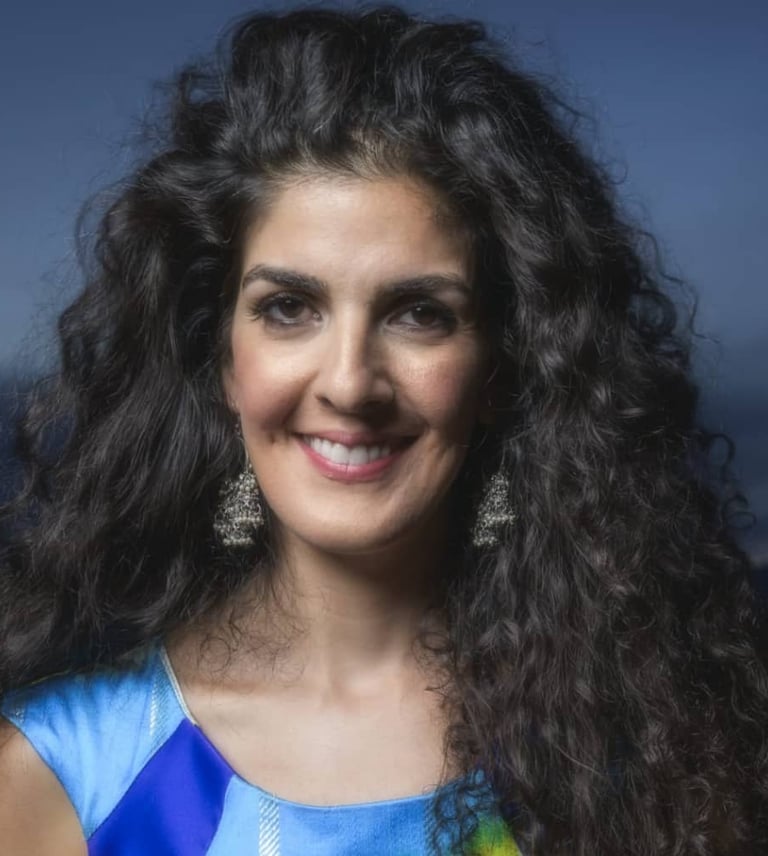
Hosted by Yassaman Nouri
Listen on your chosen podcast platform
Follow us on Social Media
Latest episodes
Sign up to be the first to know when new episodes drop!
About The Ripple Map
The Ripple Map is a storytelling-driven podcast built on a simple truth: we're interconnected—and everything we do creates ripples.
Our thoughts, words, choices, and actions travel farther than we realize, shaping lives and systems beyond our immediate view. With that power comes responsibility—and the opportunity to create change, one ripple at a time.
At the heart of this work is an ancient idea that feels more urgent than ever today:
"The sons of Adam are limbs of each other, Having been created of one essence. When the calamity of time affects one limb The other limbs cannot remain at rest. If you have no sympathy for the troubles of others, You are unworthy to be called by the name of a Human." — Sa'adi
The Problem We're Tackling
Why do massive social, environmental, and economic problems persist despite billions spent? Too often, the public gets either polished PR or hopeless doom. Meanwhile, innovators using technology to tackle root causes don't get the visibility, support, or resources they deserve.
We don't do PR, and we don't do despair.
What We Do
Each episode brings you into honest conversation with builders creating real change—founders, researchers, grassroots innovators, and policymakers working on systemic challenges. We ask guests to show us the data, walk us through the proof, and be honest about what's hard. We explore failures alongside successes and dig into tradeoffs.
We examine every challenge through a multi-stakeholder lens, asking: Who benefits? Who pays? Who is excluded? Who decides?
What You'll Walk Away With
Better questions matter more than easy answers. That philosophy shapes every episode—we don't just give you solutions, we help you discover your own path forward.
Through evidence-based storytelling and critical questions, you'll understand:
What's really driving the problem beneath the headlines
Why some solutions fall short—and how they sometimes create unintended harm
Which approaches are creating better outcomes, especially those addressing root causes
How to think in nuance, not simplistic "good vs. bad" labels
Your path forward: Concrete actions to create positive ripples today, plus questions worth pursuing that fit your unique circumstances, skills, and connections. Real change starts with better questions and immediate action—both tailored to you.
This isn't just about learning what others are doing "out there." By examining the ripples others create through their work, we invite you to reflect on your own ripple map—the impact of your own thoughts, words, and actions. We help you develop questions worth exploring based on your unique context, because your ripple map is uniquely yours.
Join Us
For listeners: Subscribe to join a community of thoughtful people who care about evidence, nuance, and action. Share your input: nominate guests, submit problems you want us to explore, or share your own ripple map journey.
For potential guests: If you're a builder creating evidence-based solutions and you're willing to have honest conversations about what's working, what's hard, and what you've learned—we'd love to hear from you. This is a space for depth, not soundbites.
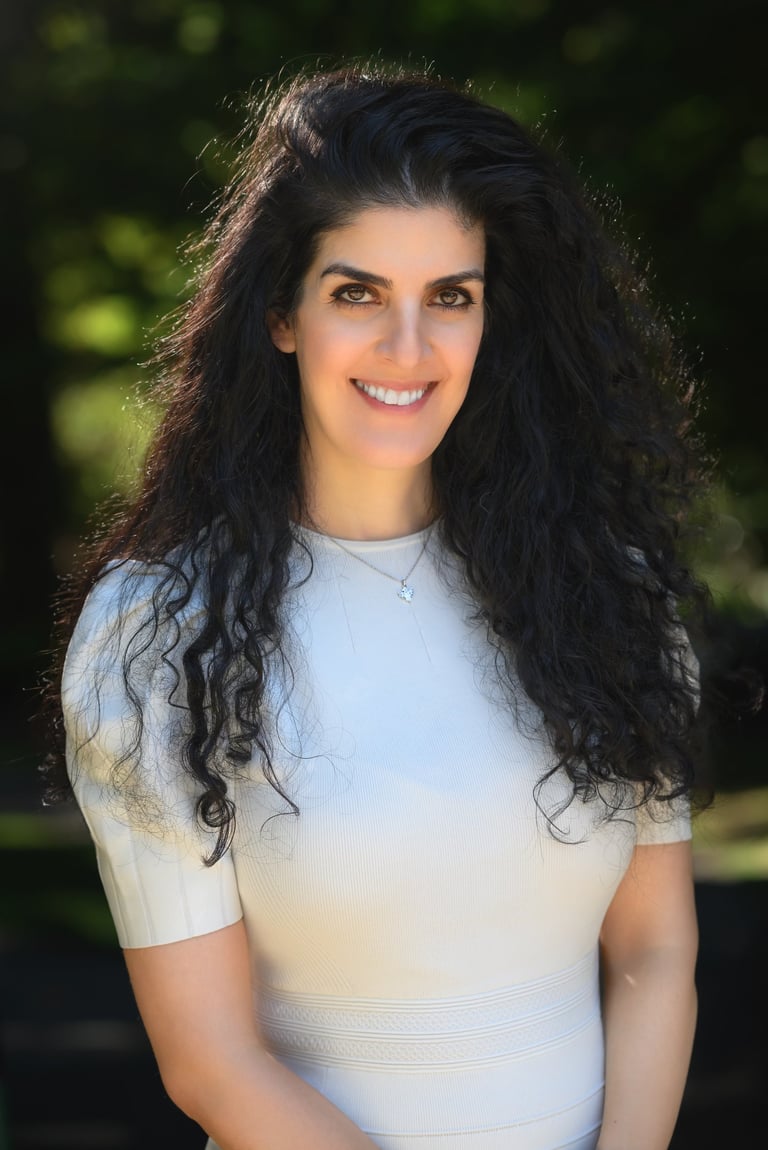
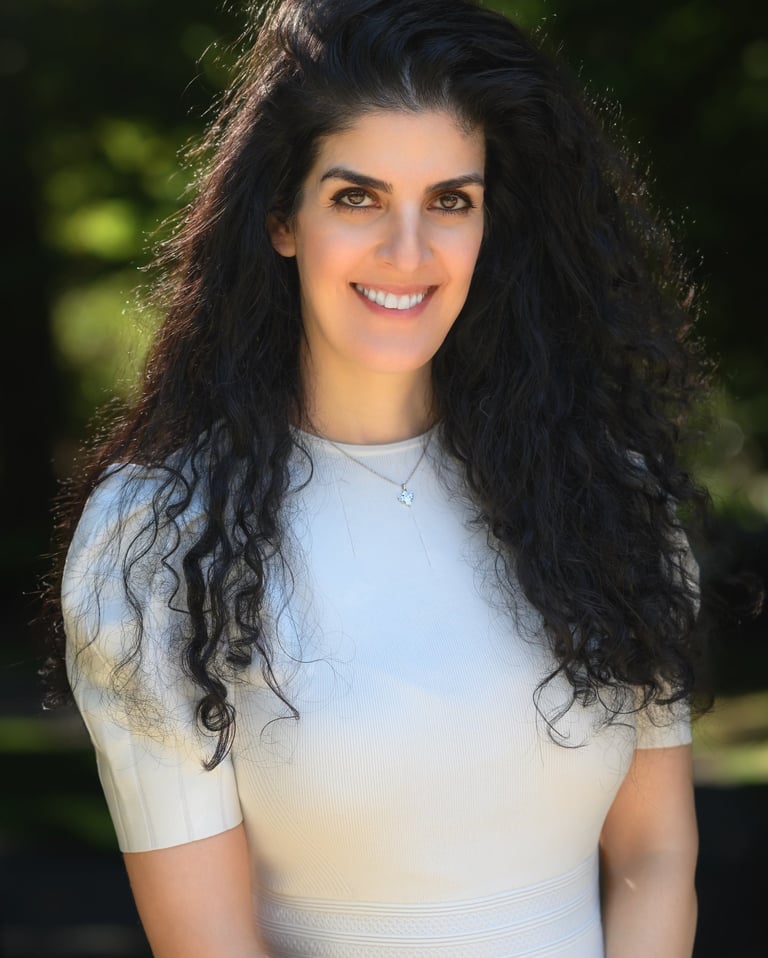
My father taught me that before you can help, you have to understand.
When I was five, I saw a man sitting on the street and asked my dad if I could give him money. Instead of handing me money, he asked me a few questions: What did I want to help the man with? Did I know what the man needed? Did I understand why he was there?
I was five and too shy to approach.
Later, my father told me something that stayed with me: real help isn’t about what makes us feel good—it’s about understanding a problem deeply enough to address its root causes.
He told me about a man he had met years earlier—a skilled tailor who had become paralyzed from the waist down. Instead of giving him money, my father helped him get a wheelchair, access to a sewing machine, and a path to rebuild his livelihood.
That moment planted a question I’ve been exploring ever since.
After moving to Vancouver at 13, my curiosity continued to shape the path I chose. My work eventually took me across countries—including Canada, Iran, the UK, and China—across sectors like technology, banking, and consulting. Yet wherever I went, the same question followed me: Are we actually helping?
The turning point came later when I began working in international development, including time spent in Malawi. It was there that the complexity of real-world problems became tangible. I realized that truly understanding a problem requires listening to people with very different experiences, perspectives, and incentives. Only by piecing together those viewpoints could you begin to see the deeper patterns and root causes beneath the surface.
That experience reshaped how I think about impact. Solutions can’t simply be copied from one place to another—they must be designed for the specific people, systems, and context where the problem exists.
Later, working inside large institutions across management consulting, banking and technology, I encountered another side of the equation: execution. I saw how incentives, structures, and scale shape what actually gets built—and how difficult systemic change can be from inside complex organizations.
Across all of these experiences, one question kept resurfacing:
What does it actually mean to help?
The Ripple Map is my attempt to explore that question in public.
Through conversations with founders, researchers, policymakers, and grassroots builders tackling complex challenges, I’m trying to better understand how people create meaningful change within systems—and what ripples those efforts create.
I’m not here as someone with all the answers. I’m here as an inquisitive person still trying to understand how our choices shape the world we share.
Join me in the pursuit of understanding—through conversation and action, we can improve the ripples that impact the world we share.